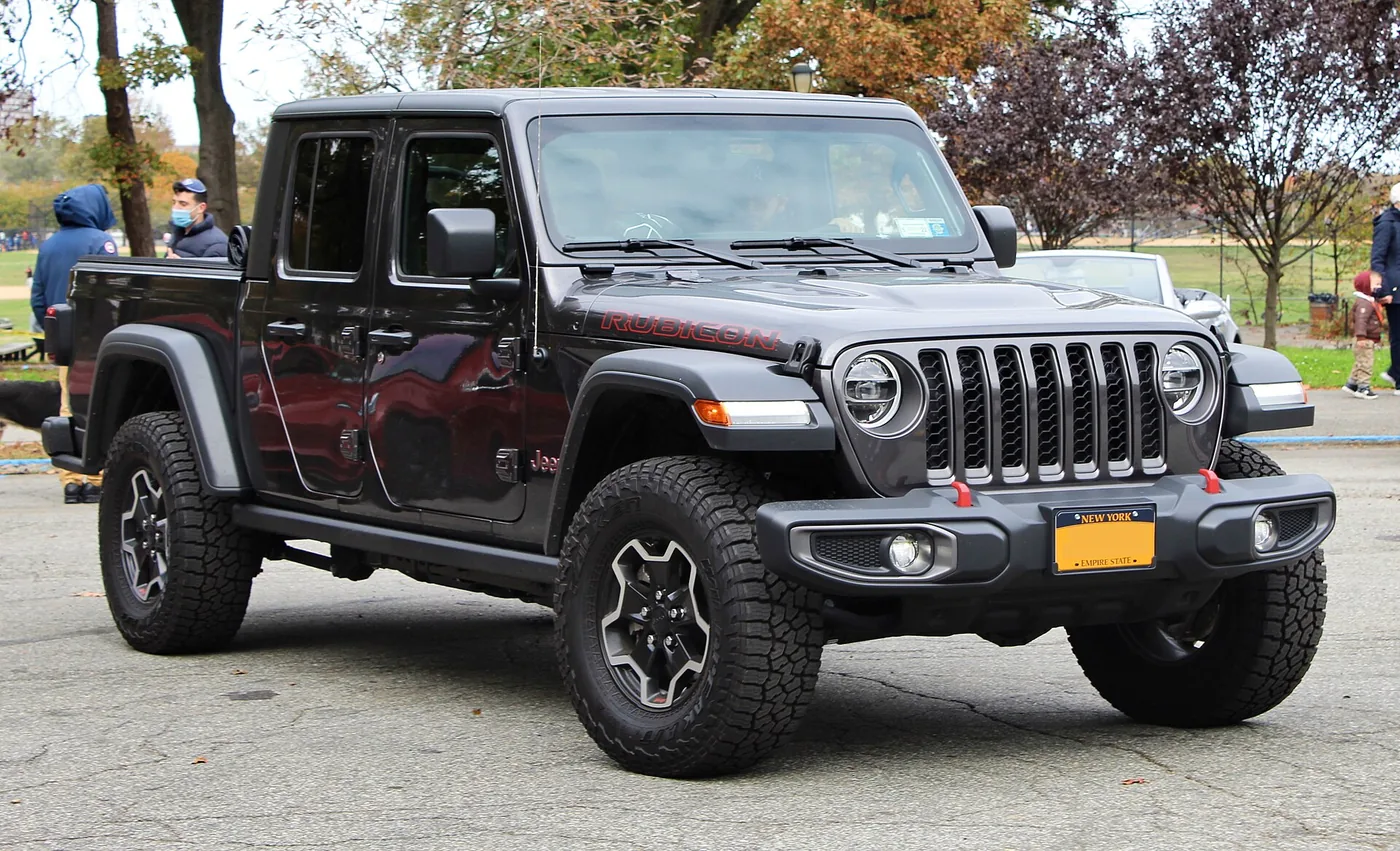

What should a Gladiator plan begin with?
Begin with model year, trim, engine, transmission, axles, axle ratio, transfer case, factory tires, suspension and shock package, tow equipment, roof type, payload label, current accessories, bed cargo, passengers, trailer use, and actual operating weight.
The Gladiator combines solid front and rear axles with coil springs, a pickup bed, a longer wheelbase, and more rear body behind the axle than a short SUV. Those details affect steering, articulation, breakover, departure behavior, rear spring tuning, towing stability, and where cargo weight belongs.
Configuration details that change the plan
Trim names are a starting point. Verify build information, labels, owner's resources, part numbers, and the vehicle itself.
Sport and Sport S
Confirm axles, ratio, transfer case, tires, shocks, tow package, payload label, protection, and recovery points on the exact model year.
Willys
Factory tire, axle, traction, shock, protection, and trim content can vary; inspect the individual pickup before planning replacements.
Overland
Balance daily comfort and utility with tires, protection, bed use, towing, and the weight of permanent trail equipment.
Rubicon
Verify lockers, sway-bar disconnect, transfer case, axles, gearing, tires, fenders, shocks, rails, and protection rather than assuming all trail hardware.
Mojave
Desert-oriented suspension, frame, steering, shock, and bump-stop hardware has a different purpose from Rubicon equipment and is not automatically interchangeable.
Gas and diesel applications
Engine availability varies by model year; powertrain weight, cooling, gearing, service needs, payload, and towing documentation can change the plan.
Tow and payload configuration
Tow package, axle ratio, cooling, tires, hitch, cab equipment, options, and curb weight affect the ratings shown for the exact vehicle.
Hardtop and soft top
Roof configuration affects weather use and compatible rack or shelter systems; bed-mounted loads require separate rack and payload checks.
Match the plan to pickup use
Daily driver
- Prioritize
- Condition, tire pressure, steering, brakes, visibility, weather use, ride, noise, and practical bed security.
- Can wait
- Heavy armor, large offset changes, or permanent bed systems without a regular need.
- Confirm
- Commute, parking, passengers, bed use, roof type, current tires, payload, and highway behavior.
Weekend trail use
- Prioritize
- Suitable tires, rated recovery equipment, vulnerable-area protection, practical storage, and dynamic clearance.
- Can wait
- Lift when current clearance, careful line choice, and factory capability already match the route.
- Confirm
- Trail surface, ledges, rear overhang, breakover points, tow hooks, factory protection, load, and recovery partners.
Technical terrain
- Prioritize
- Traction, durable tires and wheels, axle and underbody protection, controlled articulation, steering, recovery, and obstacle planning.
- Can wait
- Extra height that harms geometry, driveshaft relationships, road behavior, or stability.
- Confirm
- Trim hardware, lockers, sway-bar equipment, axle ratio, tire plan, wheelbase, rear overhang, and operating load.
Towing and work
- Prioritize
- Exact ratings, hitch and trailer compatibility, tongue weight, payload calculation, axle load, brakes, tires, cooling, and stable handling.
- Can wait
- Suspension changes used to disguise overload or exceed a published limit.
- Confirm
- Door label, towing guide, trailer weight, tongue weight, passengers, bed cargo, accessories, and weight-distribution requirements.
Overland travel
- Prioritize
- Payload, low and forward cargo, bed access, recovery, range, braking, reliability, and representative loaded handling.
- Can wait
- Rack, tent, drawers, armor, bumpers, power, water, and fuel before a complete weight budget exists.
- Confirm
- Trip duration, people, bed system, shelter, water, fuel, spare, trailer use, roof, and daily usability.
Plan Gladiator goals as connected systems
Tires and wheels
Measured tire size, wheel width, offset, steering, articulation, gearing, braking, towing, payload, and under-bed spare clearance.
Recovery and protection
Rated points, safe equipment, tow-hook configuration, skid plates, rock rails, differentials, bed protection, service access, and added weight.
Suspension
Front and rear springs, shocks, control arms, track bars, bump stops, sway bars, axle position, steering, empty-bed ride, and permanent load.
Lift and geometry
Purpose, tire goal, caster, pinion angle, axle centering, driveshafts, lines, links, articulation, towing behavior, and installation complexity.
Bed utility
Tie-downs, protection, weather security, lightweight storage, bed access, cargo restraint, rack loads, and rear axle load.
Towing
Vehicle-specific rating, trailer rating, hitch, tongue weight, payload, passengers, cargo, brakes, cooling, tires, stability, and legal requirements.
Overland equipment
Rack, tent, drawers, refrigerator, battery, solar, water, fuel, spare, recovery, armor, center of gravity, and departure clearance.
Factory systems
Confirm trim, axles, lockers, transfer case, ratio, sway-bar equipment, shocks, tires, protection, tow package, and payload label.
Jeep Gladiator JT guides
Jeep Gladiator planning questions
undefined
undefined
undefined
undefined
undefined
undefined
undefined
undefined
Personalized planning
Build Your Gladiator Plan
RigAI uses your model year, trim, engine, transmission, axle and transfer-case equipment, factory tires, suspension package, towing equipment, payload label, current accessories, bed load, trailer tongue weight, driving profile, and planned trip load to organize what to consider first and what can wait.
Editorial transparency
Editorial and fitment notes
This guide is informational. Vehicle configurations vary, and manufacturer fitment data is the final source for a specific part. RigAI reviewed this page against the technical sources listed below.
Editorial responsibility: RigAI Editorial Team
Last reviewed: July 28, 2026
Core sources
- Jeep Gladiator capabilityJeep official vehicle information
- Jeep Gladiator utility and towingJeep official utility information
- Jeep Gladiator vehicle FAQJeep official model information
- 2024 Jeep Gladiator owner's manualMopar official owner information