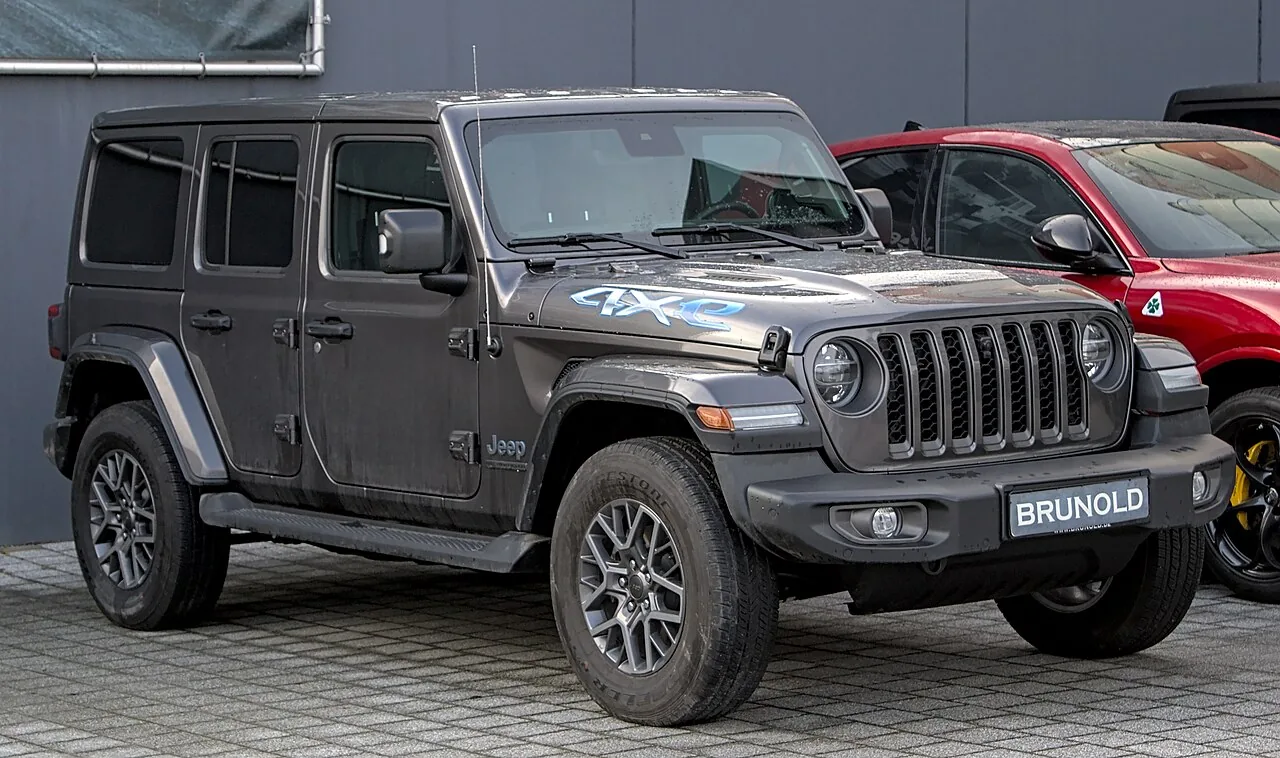
_PHEV_IMG_5808.jpg)
What should a Wrangler JL plan begin with?
Start with the exact model year, door count, trim, engine, transmission, axle equipment, transfer case, factory tire package, roof type, current suspension, and installed accessories. The JL uses solid front and rear axles with coil springs, but that shared layout does not make every configuration or aftermarket part interchangeable.
Sport, Willys, Sahara, Rubicon, Rubicon X, and 4xe configurations can begin with different tires, protection, axle hardware, powertrain weight, and off-road systems. Confirm what is actually installed instead of planning from a trim name alone.
Configuration details that change the plan
Model-year changes and factory options matter. Use the build sheet, labels, owner's information, and a physical inspection to confirm the baseline.
Door count and wheelbase
A 2-door turns tightly and has less cargo room; a 4-door offers more space and a longer wheelbase but can carry more accessory and trip weight.
Sport and Sahara
Confirm factory tires, axle equipment, transfer case, tow hooks, protection, and intended terrain before assuming a Rubicon-oriented part or sequence applies.
Willys
Factory tire and traction equipment can differ by year and package, so verify the actual axle, differential, wheel, tire, and suspension configuration.
Rubicon and Rubicon X
Equipped models may include locking differentials, an electronic front sway-bar disconnect, different axles, lower gearing, protection, or high-clearance equipment; none should be assumed on another trim.
4xe
The plug-in hybrid system changes curb weight, packaging, load planning, and compatible parts. Use 4xe-specific manufacturer fitment and service guidance.
Engine and axle ratio
Powertrain and gearing affect acceleration, engine braking, crawl behavior, tire-size trade-offs, towing, and heat management.
Factory tire packages
Nominal tire size, wheel width, offset, fenders, bump stops, and suspension can change clearance; verify the complete package.
Roof and top
Soft top, hardtop, and other roof systems change weather protection, cargo mounting options, weight, noise, and rack compatibility.
Match priorities to daily and trail use
The best plan keeps the Wrangler useful between trips and adds capability only where the terrain exposes a real limitation.
Daily driver
- Prioritize
- Condition, tire behavior, pressure, braking, steering, visibility, weather use, and ride quality.
- Can wait
- Heavy armor, aggressive offset, or a tall suspension system without a defined trail need.
- Confirm
- Commute, passengers, parking, climate, roof use, current tires, and highway behavior.
Mild trail use
- Prioritize
- Suitable tires, rated recovery points, recovery practice, vulnerable-area protection, and dynamic clearance.
- Can wait
- A lift when stock clearance and careful line choice already match the trails.
- Confirm
- Surface, ledges, mud, snow, water, partners, trim equipment, and full-articulation clearance.
Technical rock use
- Prioritize
- Traction equipment, tire and wheel durability, controlled articulation, protection, recovery, gearing, and steering geometry.
- Can wait
- Cosmetic changes or suspension travel that is not limited by correct bump stops, lines, and driveshaft clearance.
- Confirm
- Axles, lockers, sway-bar system, transfer case, tire plan, wheelbase, breakover needs, and recovery access.
Overland travel
- Prioritize
- Payload, cargo access, low-mounted weight, range, recovery, reliability, and representative loaded handling.
- Can wait
- Permanent racks, tents, drawers, armor, and electrical systems before the trip inventory is known.
- Confirm
- Door count, occupants, trip length, roof rating, water, food, spare, batteries, shelter, and daily usability.
Plan common Wrangler JL goals as connected systems
Tires and wheels
Terrain, weather, measured dimensions, wheel geometry, articulation, gearing, braking, steering, and spare support.
Recovery
Confirmed rated recovery points, suitable equipment, training, safe access, and a method appropriate to the situation.
Protection
Skid plates, rock rails, differential protection, bumpers, terrain exposure, mounting, service access, and added weight.
Suspension
Springs, shocks, control arms, track bars, sway bars, bump stops, travel, geometry, alignment, and operating load.
Lift and clearance
Tire goal, terrain, fenders, articulation, steering geometry, driveline limits, installation complexity, and road behavior.
Overland equipment
Payload, roof limits, cargo volume, water, power, shelter, spare-tire support, center of gravity, and braking.
Steering and alignment
Caster, toe, axle centering, tire balance, wheel offset, joints, fasteners, and post-installation inspection.
Factory systems
Confirm lockers, sway-bar disconnect, transfer case, axle ratio, high-clearance packages, and any model-year-specific controls.
Jeep Wrangler JL guides
Wrangler JL planning questions
Does every Wrangler JL need a lift for trail use?
No. Stock clearance, factory tires, trim equipment, careful driving, and suitable trail selection may already meet the goal. Lift should solve a defined clearance, travel, load, or tire requirement.
Does every Rubicon have the same equipment?
No. Model year, door count, engine, transmission, package, axle ratio, tire package, and previous modifications can differ. Confirm the individual vehicle.
Are 2-door and 4-door suspension choices identical?
Not automatically. Wheelbase, curb weight, cargo capacity, spring calibration, operating load, and part application can differ.
Personalized planning
Build Your Wrangler JL Plan
RigAI uses your model year, door count, trim, engine, axle and transfer-case equipment, factory packages, tires, suspension, driving profile, payload, installed equipment, and planned load to organize what to consider first and what can wait.
Editorial transparency
Editorial and fitment notes
This guide is informational. Vehicle configurations vary, and manufacturer fitment data is the final source for a specific part. RigAI reviewed this page against the technical sources listed below.
Editorial responsibility: RigAI Editorial Team
Last reviewed: July 28, 2026
Core sources
- 2025 Jeep Wrangler capability overviewJeep official vehicle information
- Jeep 4x4 systems overviewJeep official capability information
- 2025 Jeep Wrangler specifications FAQJeep official model information
- Jeep Wrangler owner's handbookJeep official owner information