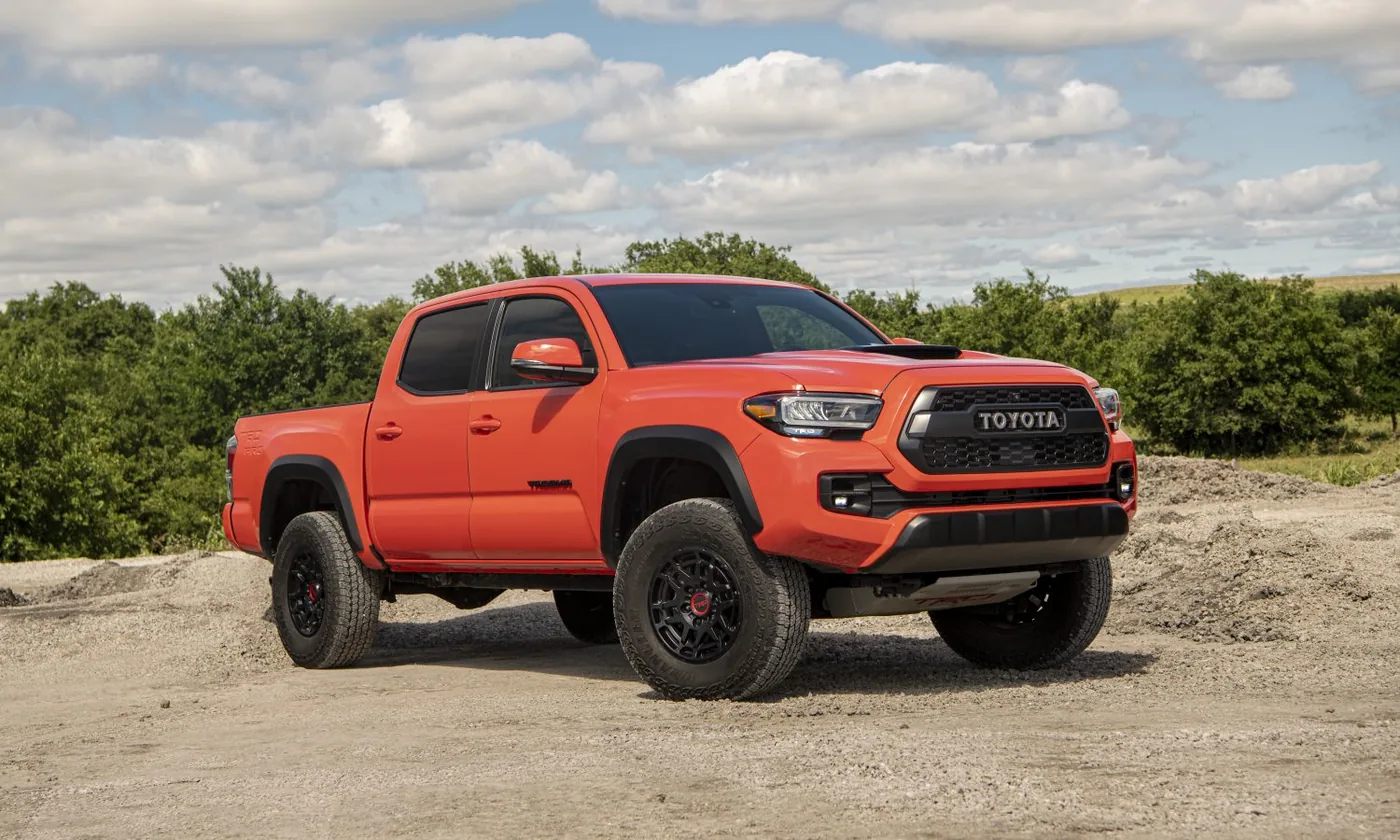
What should a third-generation Tacoma plan begin with?
Begin with the truck's exact configuration and current condition. The 2016-2023 Tacoma combines a coil-spring independent front suspension with a leaf-spring rear axle, so front accessory weight and rear bed load affect the truck differently.
A lightly loaded daily driver may need little more than suitable tires, sound recovery preparation, and selective protection. A truck carrying a cap, drawers, water, tools, or a rooftop tent needs a weight inventory before rear springs and shocks are selected.
If an enclosed SUV better matches the cargo plan, compare this pickup-focused approach with the Toyota 4Runner upgrade guide.
Who is the third-generation Tacoma suited for?
The Tacoma can cover several jobs, but the priorities change with passengers, bed use, trailer tongue load, and time spent on pavement.
Daily driver
- Prioritize
- Ride quality, tire behavior, braking, visibility, and simple secure storage.
- Can wait
- Constant-load rear springs when the bed normally stays empty.
- Confirm
- Normal passengers, commute, weather, parking, bed cargo, and current tire condition.
Weekend trail truck
- Prioritize
- Traction, rated recovery points, basic protection, clearance checks, and practice.
- Can wait
- A tall lift or heavy rack before terrain and cargo needs are known.
- Confirm
- Trail surface, obstacle size, recovery partners, tire plan, trim equipment, and bed load.
Overland travel
- Prioritize
- Payload, storage, water, power, shelter, recovery, and loaded suspension control.
- Can wait
- Spring selection before permanent accessory and trip weights are measured.
- Confirm
- Occupants, cap or rack, tent, drawers, refrigerator, battery, water, tools, and tongue load.
Work or towing
- Prioritize
- Rated capacities, load distribution, tire load rating, braking, and stability.
- Can wait
- Off-road accessories that consume payload without serving the work.
- Confirm
- Truck label ratings, trailer weight, tongue load, tools, passengers, bed length, and route.
Plan common Tacoma upgrade goals as connected systems
A pickup makes cargo and rear-axle load central to the plan. Each addition can change suspension, tire, braking, and handling needs.
Tires and wheels
Traction, wheel geometry, dynamic clearance, load rating, braking, gearing, and spare storage.
Recovery
Rated vehicle recovery points, appropriate equipment, training, and a situation-specific method.
Skid plates and armor
Terrain exposure, mounting, service access, front-to-rear weight, and payload cost.
Front suspension
Coilover condition, front accessory weight, damping, travel, geometry, and alignment.
Rear suspension
Leaf-spring capacity, empty-bed comfort, constant load, temporary load, and shock control.
Bed and roof systems
Bed rack or cap weight, rooftop-tent height, secure mounting, wind load, and center of mass.
Towing
Trailer compatibility, tongue load, payload, axle load, braking, cooling, and owner-manual limits.
Storage and power
Drawers, tools, refrigerator, battery, water, wiring, ventilation, and removable load.
Payload and bed-load inputs to record
Use the tire and loading label and owner's manual for the exact truck. Published maximums do not describe every cab, bed, trim, drivetrain, or option combination.
- Occupants and personal gear
- Cargo, tools, recovery equipment, and bed storage
- Bed rack, cap, rooftop tent, awning, and mounting hardware
- Bumpers, winch, skid plates, sliders, and spare-tire changes
- Water, auxiliary battery, refrigerator, fuel, and trip supplies
- Trailer tongue load when towing
- Front and rear axle loading and weight distribution
- Which items are permanent and which are carried only for a trip
Toyota Tacoma 3rd Gen guides
Common Tacoma planning questions
Do all 2016-2023 Tacoma trims start with the same equipment?
No. SR, SR5, TRD Sport, TRD Off-Road, Limited, TRD Pro, and special packages can differ in wheels, tires, shocks, traction equipment, body details, and capacities. Confirm the exact truck.
Should suspension be the first upgrade?
Not automatically. Healthy factory suspension may suit a lightly loaded truck. Condition, tires, recovery, or protection can be earlier priorities unless real load or terrain creates a suspension need.
Why does an empty bed matter?
Rear springs selected for a heavy permanent load can feel firm when that load is absent. Decide whether cargo is constant, occasional, or removable before choosing a rear spring package.
Personalized planning
Build Your Tacoma Plan
RigAI uses your model year, trim, cab, bed length, drivetrain, driving profile, budget, installed equipment, payload, and planned load to organize what to consider first and what can wait.
Editorial transparency
Editorial and fitment notes
This guide is informational. Vehicle configurations vary, and manufacturer fitment data is the final source for a specific part. RigAI reviewed this page against the technical sources listed below.
Editorial responsibility: RigAI Editorial Team
Last reviewed: August 31, 2026
Core sources
- 2023 Toyota Tacoma eBrochureToyota official brochure
- 2023 Toyota Tacoma model overviewToyota USA Newsroom
- 2022 Toyota Tacoma manuals and warrantiesToyota Owners