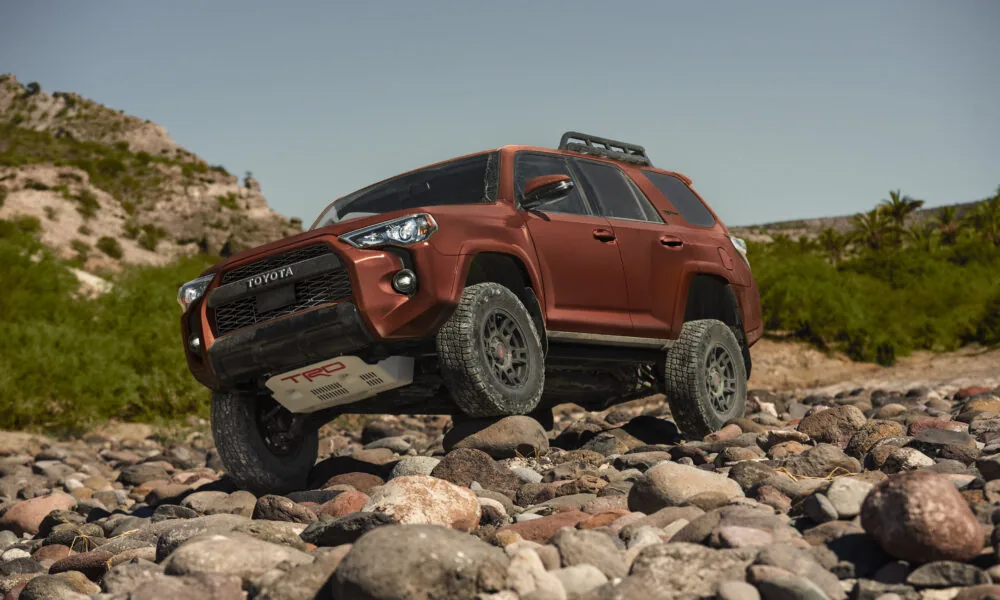
Where should a 4Runner upgrade plan start?
Start by defining the roads and trails the vehicle actually sees, then inspect its current condition. For many mixed-use vehicles, suitable tires, safe recovery preparation, and basic protection decisions come before a major suspension change.
Suspension selection is more useful after future bumper, winch, armor, cargo, and tire plans are clearer. That sequence is not universal: a worn suspension, a constant travel load, or more demanding terrain can move suspension work earlier.
For a pickup-based plan with bed-load and rear leaf-spring considerations, compare the Toyota Tacoma 3rd Gen upgrade guide.
Choose your use case
The same 4Runner can serve very different jobs. Use the closest scenario as a planning starting point, then adjust it for condition, experience, and local terrain.
Daily driving + occasional trails
- Prioritize
- Road manners, tire condition, simple recovery readiness, and restraint.
- Can wait
- Heavy armor, high-load springs, and complex recovery hardware may be premature.
- Confirm
- Commute, weather, trail frequency, tire condition, and normal passenger/cargo load.
Weekend trails
- Prioritize
- Traction, recovery attachment points, basic protection, and driver practice.
- Can wait
- A large suspension change before terrain and tire requirements are understood.
- Confirm
- Trail difficulty, obstacles, tire plans, current clearance, and recovery partners.
Overland travel
- Prioritize
- Reliability, payload planning, constant load, recovery, and balanced suspension.
- Can wait
- Roof and cargo additions without a complete weight inventory.
- Confirm
- Passenger load, water, fuel, camping equipment, roof load, and trip duration.
Heavier off-road use
- Prioritize
- Inspection, protection, recovery strategy, controlled suspension travel, and tires.
- Can wait
- Copying another vehicle's setup without matching generation, load, and terrain.
- Confirm
- Obstacle type, driving speed, experience, current damage, and supporting components.
Plan the vehicle as connected systems
An upgrade can change what another system needs. Use these relationships to avoid buying the same solution twice.
Tires & Wheels
Traction, road behavior, load rating, clearance, and spare-tire planning.
Recovery
Rated attachment points, recovery equipment, training, and a situation-specific plan.
Protection
Terrain exposure, coverage, mounting, service access, and added weight.
Suspension
Condition, load, damping, geometry, alignment, travel, and ride-height goals.
Bumpers & Winches
Mounting, electrical demand, recovery use, front load, and legal requirements.
Roof & Cargo
Payload, center of mass, secure mounting, and the effect of constant load.
Lighting
Actual night use, mounting, wiring, road legality, and glare control.
Overland Equipment
Trip need, reliability, storage, payload, and removal when not required.
For travel-focused weight and cargo dependencies, use the Toyota 4Runner overland build guide.
A practical planning sequence for many mixed-use builds
This is a decision sequence, not a universal shopping list. Move a step earlier when condition, safety, or the intended use makes it urgent.
Define use case
Describe daily use, terrain, trip length, experience, and priorities.
Inspect baseline condition
Resolve maintenance or damage that could distort an upgrade decision.
Confirm tire and recovery needs
Review traction, tire condition, attachment points, and recovery method.
Plan protection
Match vulnerable areas and protection weight to the terrain you actually drive.
Calculate added weight
Include bumpers, winch, armor, passengers, roof cargo, and constant rear load.
Select suspension
Match springs and damping to the confirmed load, desired control, and compromises.
Add secondary equipment
Add lighting, storage, and convenience items after core dependencies are clear.
Important 4Runner considerations
The 4Runner name spans multiple generations and configurations. A recommendation becomes useful only when these inputs are known.
- Generation and model year
- Trim and drivetrain
- Whether KDSS is installed
- Existing lift or suspension changes
- Current and planned added weight
- Alignment condition and adjustment range
- Tire clearance through steering and suspension travel
- Daily use, terrain, speed, and recovery context
Featured Toyota 4Runner guides
Common planning questions
Is suspension always the first 4Runner upgrade?
No. Stock suspension may be appropriate when it is in good condition and the current load and terrain do not require a change. Tires, recovery preparation, maintenance, or protection may be earlier priorities.
Does a lift guarantee that larger tires will fit?
No. Clearance depends on the exact tire and wheel, alignment, body and suspension clearances, steering movement, suspension travel, trim, and existing modifications. Verify the complete combination.
Why does added weight matter?
Bumpers, a winch, armor, roof equipment, and constant cargo change the load the springs and dampers must manage. Plan that load before choosing suspension.
Does every 5th Gen 4Runner have KDSS?
No. Availability depends on configuration. Confirm the equipment on the exact vehicle and use manufacturer fitment data for any suspension kit.
Personalized planning
Build Your 4Runner Plan
RigAI uses your generation, trim, drivetrain, KDSS status, driving profile, budget, installed equipment, and planned load to organize what to consider first and what can wait.
Editorial transparency
Editorial and fitment notes
This guide is informational. Vehicle configurations vary, and manufacturer fitment data is the final source for a specific part. RigAI reviewed this page against the technical sources listed below.
Editorial responsibility: RigAI Editorial Team
Last reviewed: August 31, 2026
Core sources
- Toyota 4Runner Icons: Fifth and Sixth GenerationsToyota USA Newsroom
- 2024 Toyota 4Runner: Rugged CapabilityToyota USA Newsroom
- Toyota 4Runner Owner's ManualToyota official manual